Framework provider
A shared foundation for transparent procurement, integrated delivery, suitable financing and performance commitments.
 ImPPPactUGANDA ALLIANCE

PEOPLE FIRST. UGANDA FORWARD.
Bringing communities, public institutions and private expertise together to build a more inclusive, sustainable future.
A PLACE FOR EVERY CONTRIBUTION
Development matters when it improves people’s lives.
We connect people and organisations around public-private partnerships that create lasting value for communities.
Our focus is early preparation before procurement: understanding needs, connecting expertise and raising awareness of People First PPPs.
THE ImPPPact FRAMEWORK
Explore the global ImPPPact framework: ecosystem, pillars, participants, lifecycle, priorities and practical examples, adapted to Uganda.
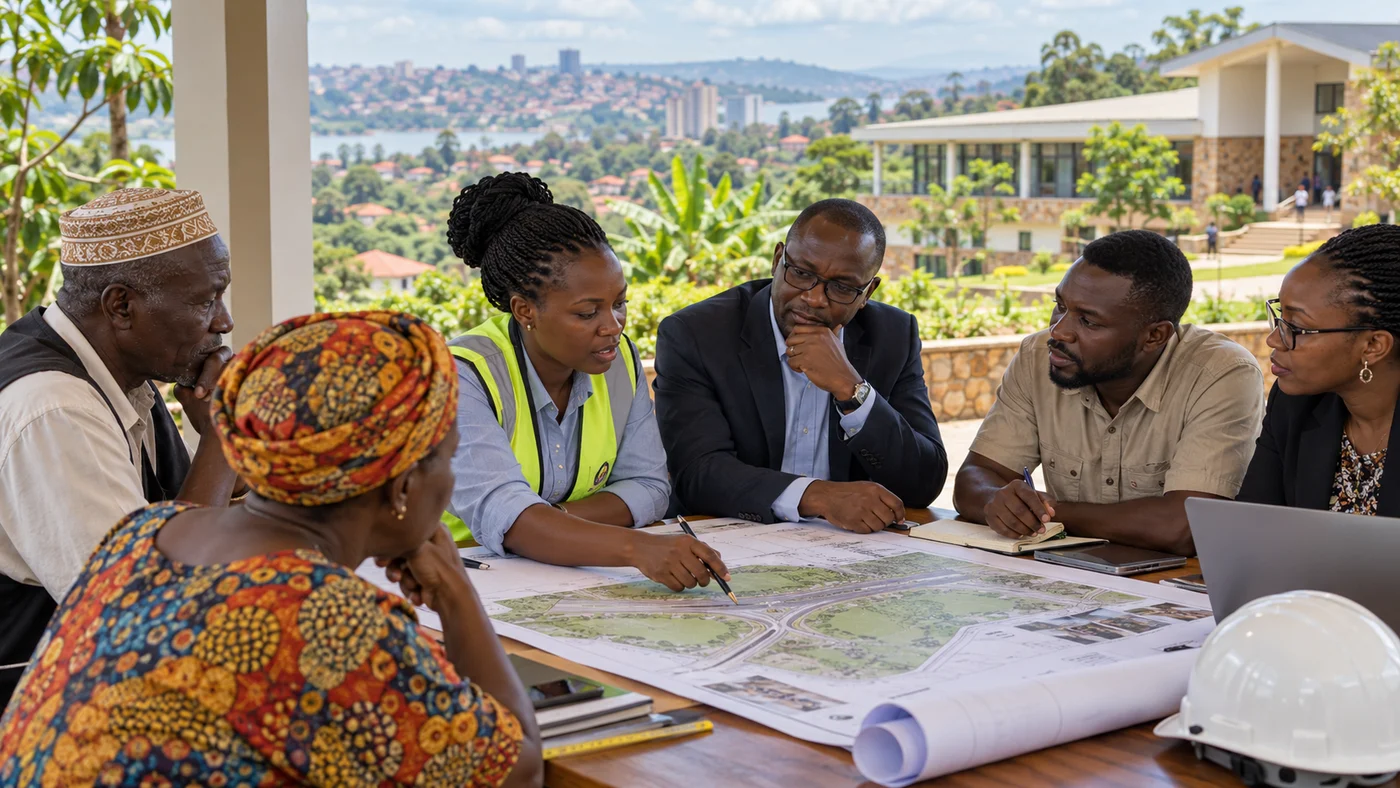
A shared foundation for transparent procurement, integrated delivery, suitable financing and performance commitments.
Connect communities, institutions, businesses and financiers early in preparation while respecting contracting authorities’ responsibilities.
Organise information needed for feasibility, partner selection, construction and service monitoring.

Whole-life value criteria, structured dialogue and independent advice help authorities compare solutions to public needs.
Design, Build, Finance, Maintain and Operate form a coherent set of responsibilities over the project’s lifetime.
Assess revenues, affordability, public commitments and risk allocation; combine grants, debt and equity where suitable.
Define verifiable measures of service quality, availability and impact and link them to contractual obligations.
DBFMO: Design, Build, Finance, Maintain and Operate. SPV: a project company carrying contractual responsibilities. KPI: an agreed measure of service performance. ESG: environmental, social and governance criteria.
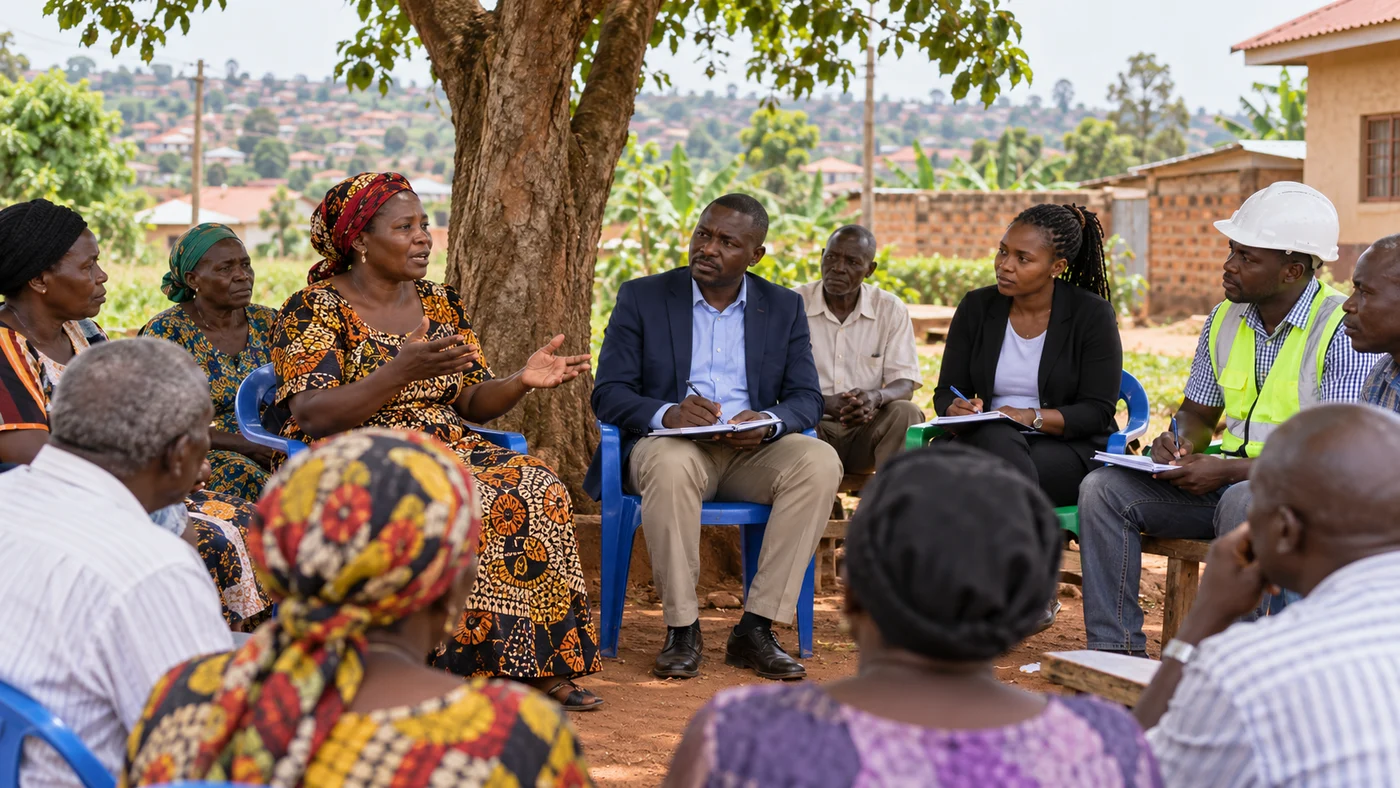
Express needs, join consultations, assess service access and use grievance mechanisms.
Define public priorities, prepare and conduct procurement, assess fiscal commitments and oversee performance.
Contribute skills, products and delivery capacity and assume agreed responsibilities within a consortium.
Assess financial viability, risk allocation, environmental and social requirements and development outcomes.
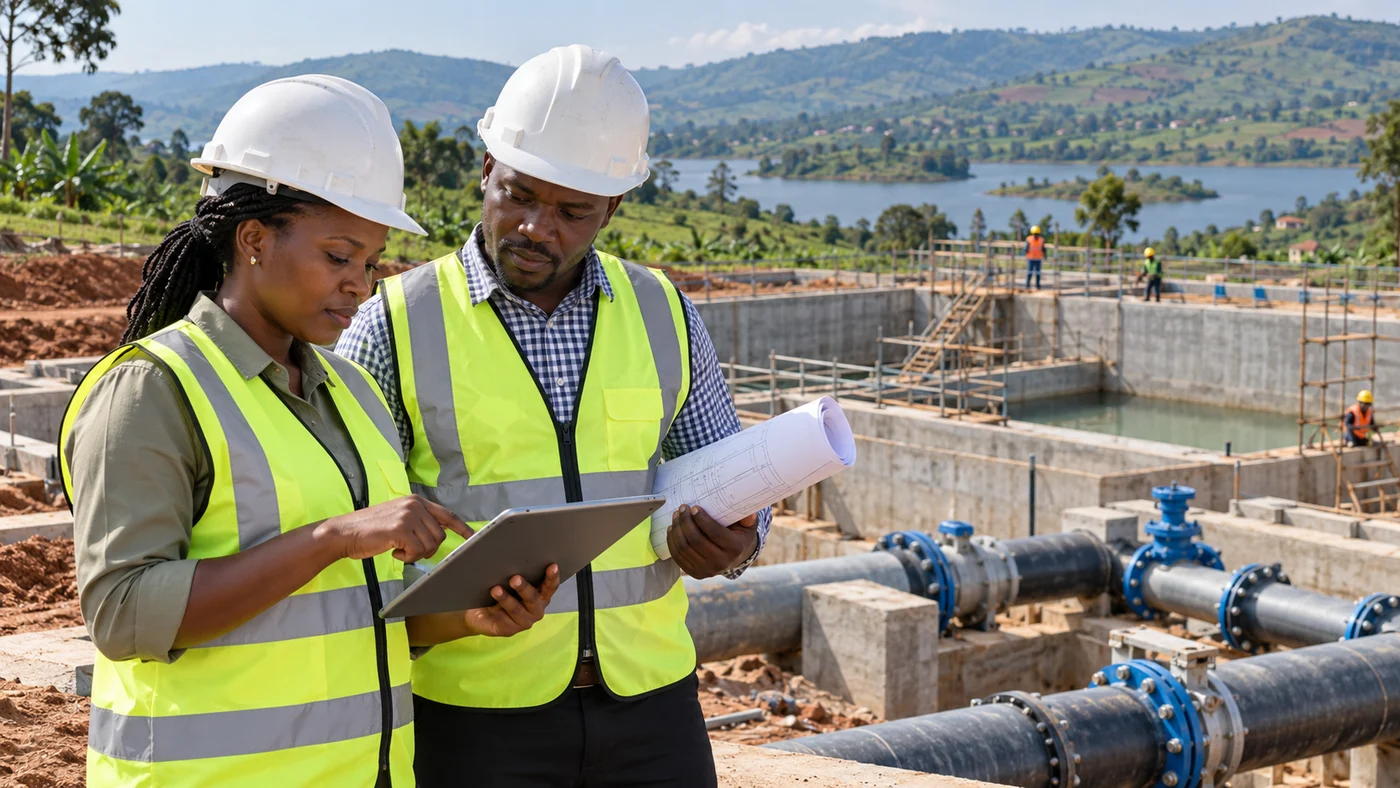
Needs, consultation, feasibility and institutional capacity; early assessment of risks, affordability and financing.
Tender documents, evaluation criteria, market dialogue and performance indicators under the competent authority’s responsibility.
Monitor works, financing commitments, governance and environmental and social measures, with channels for local concerns.
Service availability and quality, impact indicators, maintenance, reporting and adaptation to users’ needs.
Safe water, sanitation, reliable energy and affordable service access, especially in underserved areas.
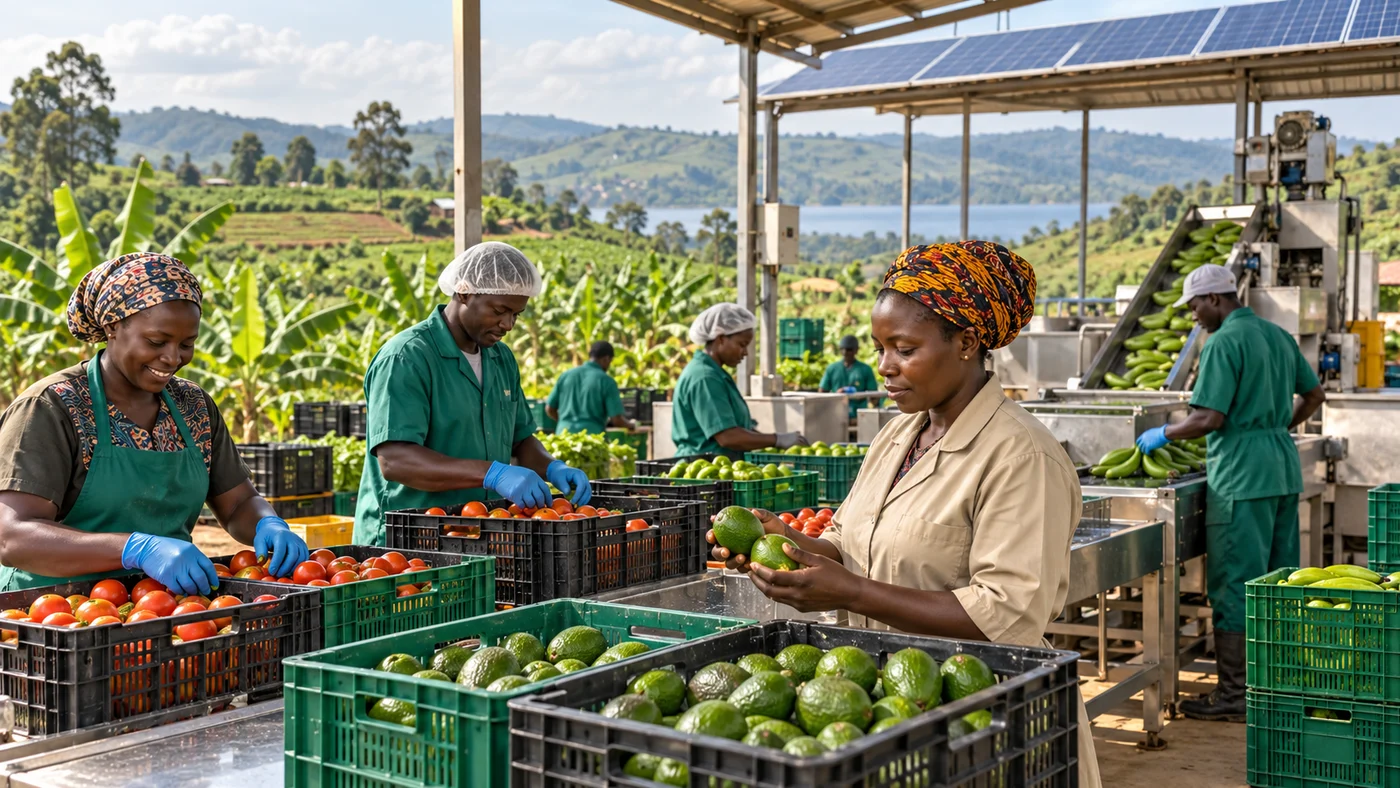
SDGs 6 · 7Agro-processing, local value chains, skills and infrastructure connecting producers with markets.
SDGs 2 · 8 · 9 · 12Local facilities, accessible services and connectivity to reduce geographic inequalities.
SDGs 3 · 4 · 10Water and ecosystem protection, waste management, resilient infrastructure and site rehabilitation.
SDGs 11 · 13 · 15These are illustrative journeys, rather than a list of active Alliance projects.
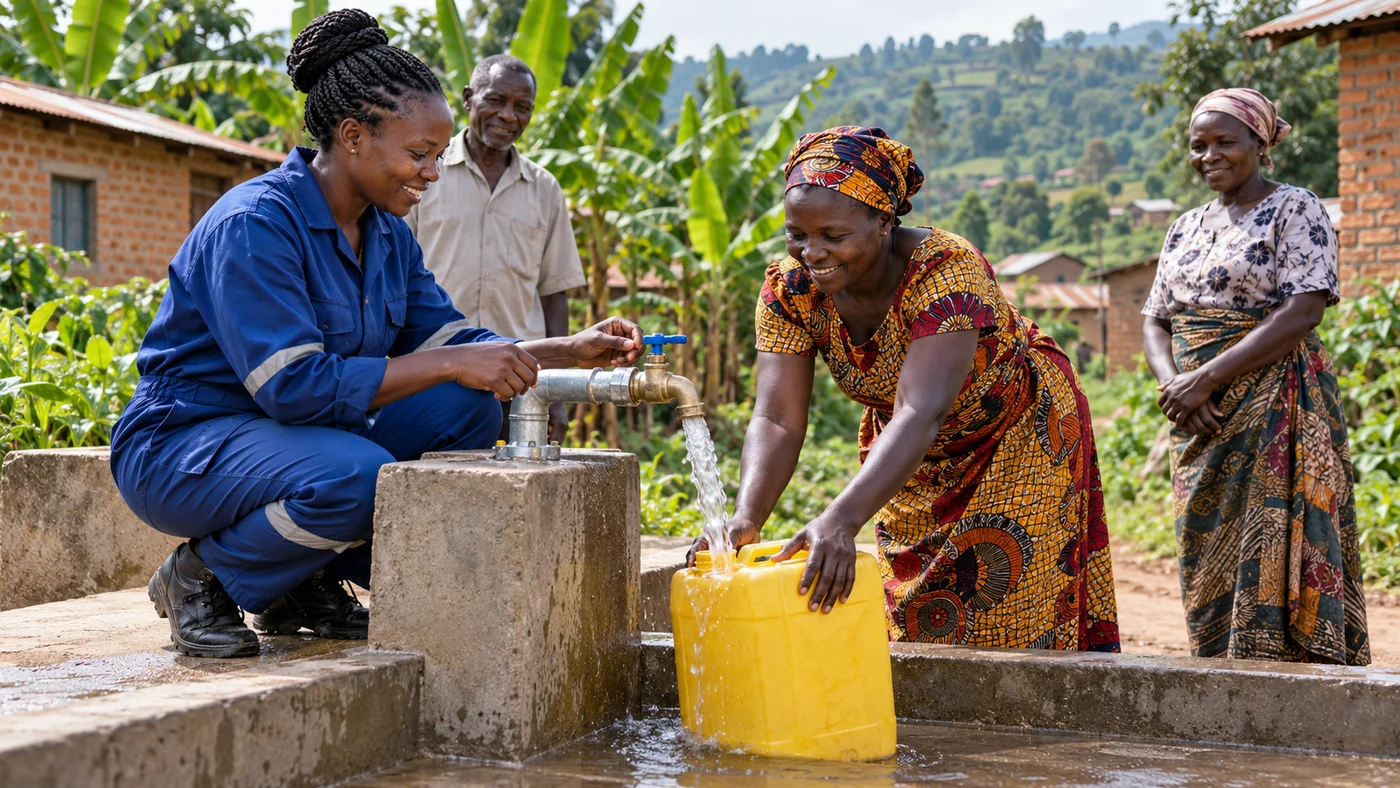
Residents describe interrupted supplies. The authority assesses needs and options; partners may contribute to services whose quality and accessibility are measured.
A community describes barriers to healthcare. Analysis considers distances, services and equipment; partners explore solutions suited to users.
Users describe a difficult connection. The authority assesses demand, alternatives and impacts before a project is structured.
A LONG-TERM VISION FOR UGANDA
People First infrastructure for sustainable development: energy, transport, agro-industry, digital networks, water and aviation.
Figures and timelines are reproduced from the supplied MasterPPPlan, not verified current commitments or delivered outcomes. Its headline covers 20+ projects; 16 are individually listed below. Project status and financing require confirmation with the responsible authorities.
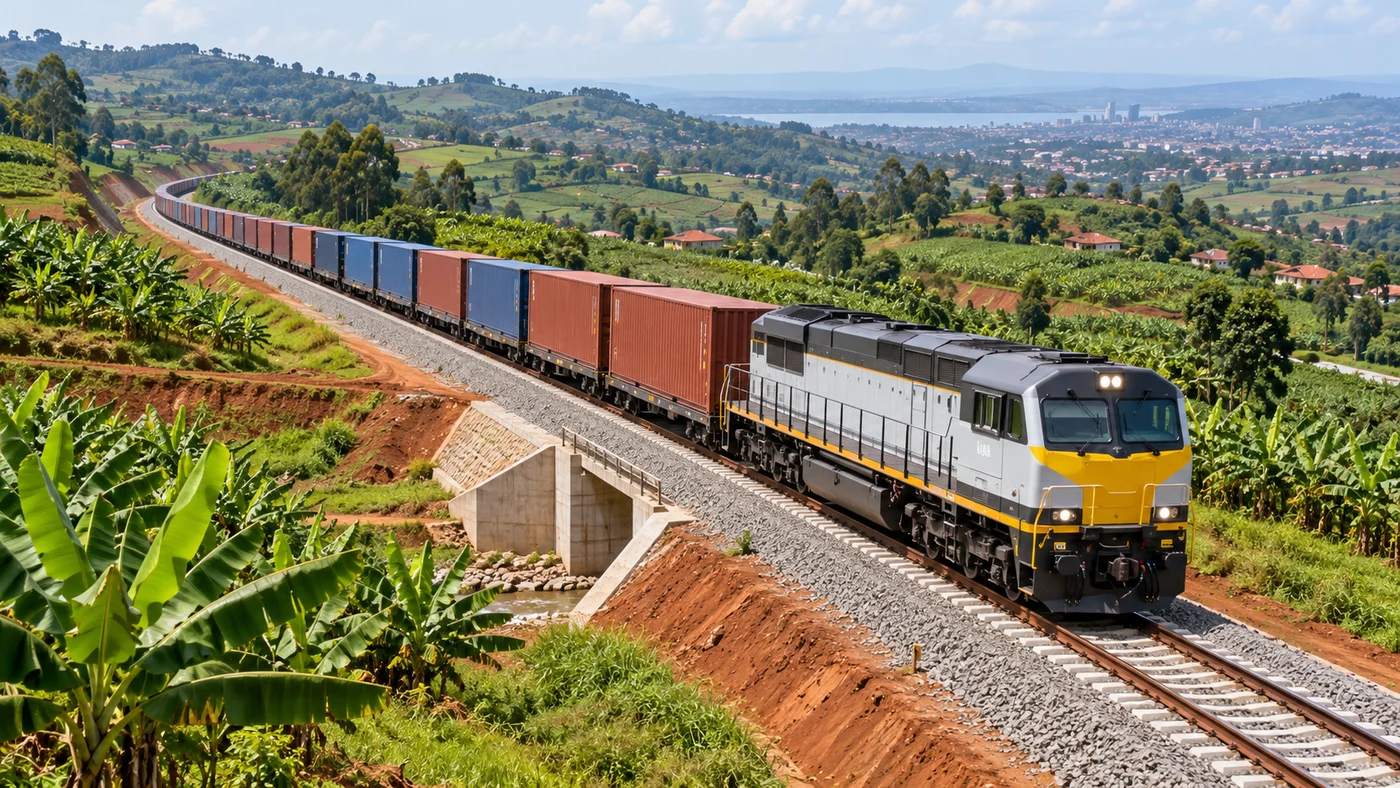
Transport & logistics
273km railway from Malaba to Kampala
USD 2.3BInvestment listed in the sourceJoin this project ↗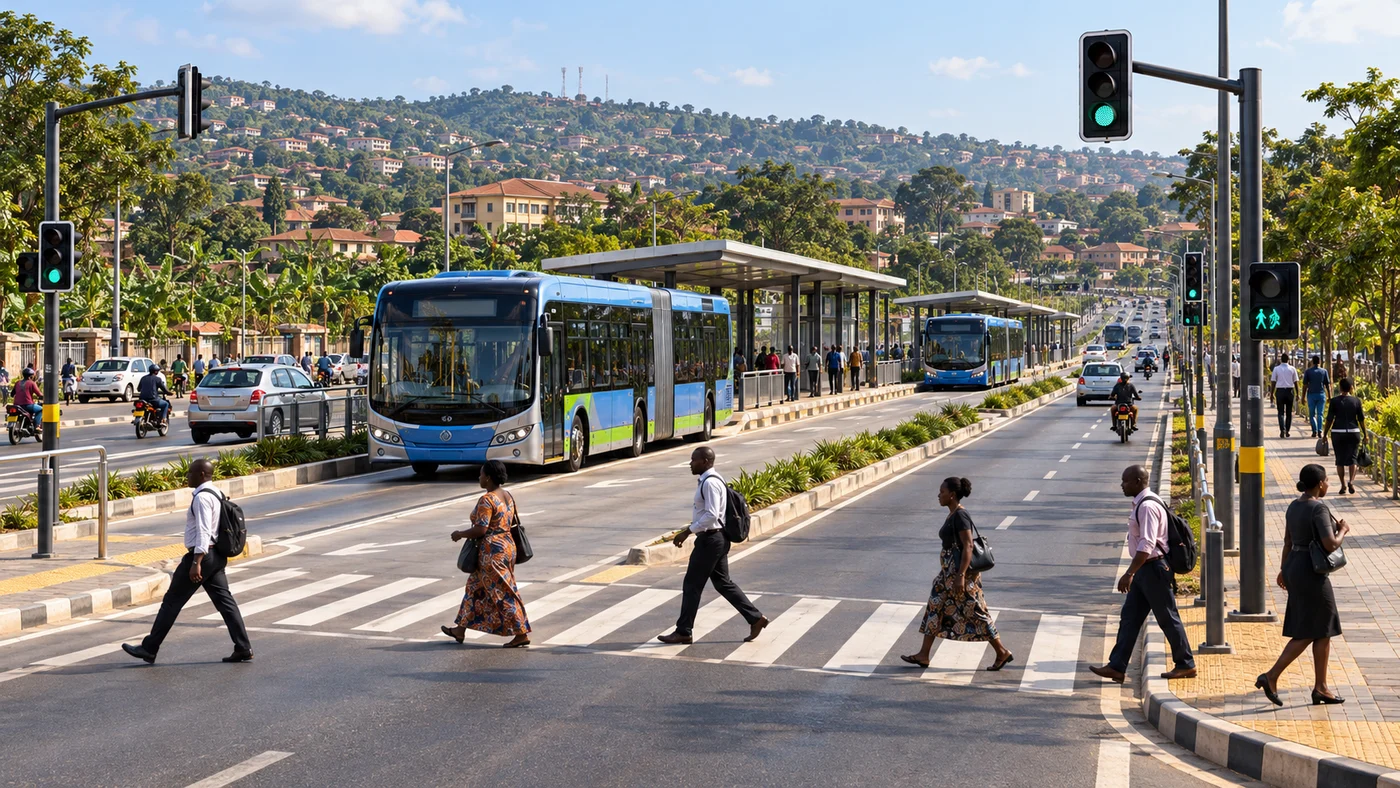
Transport & logistics
Smart traffic management & BRT corridors
USD 450MInvestment listed in the sourceJoin this project ↗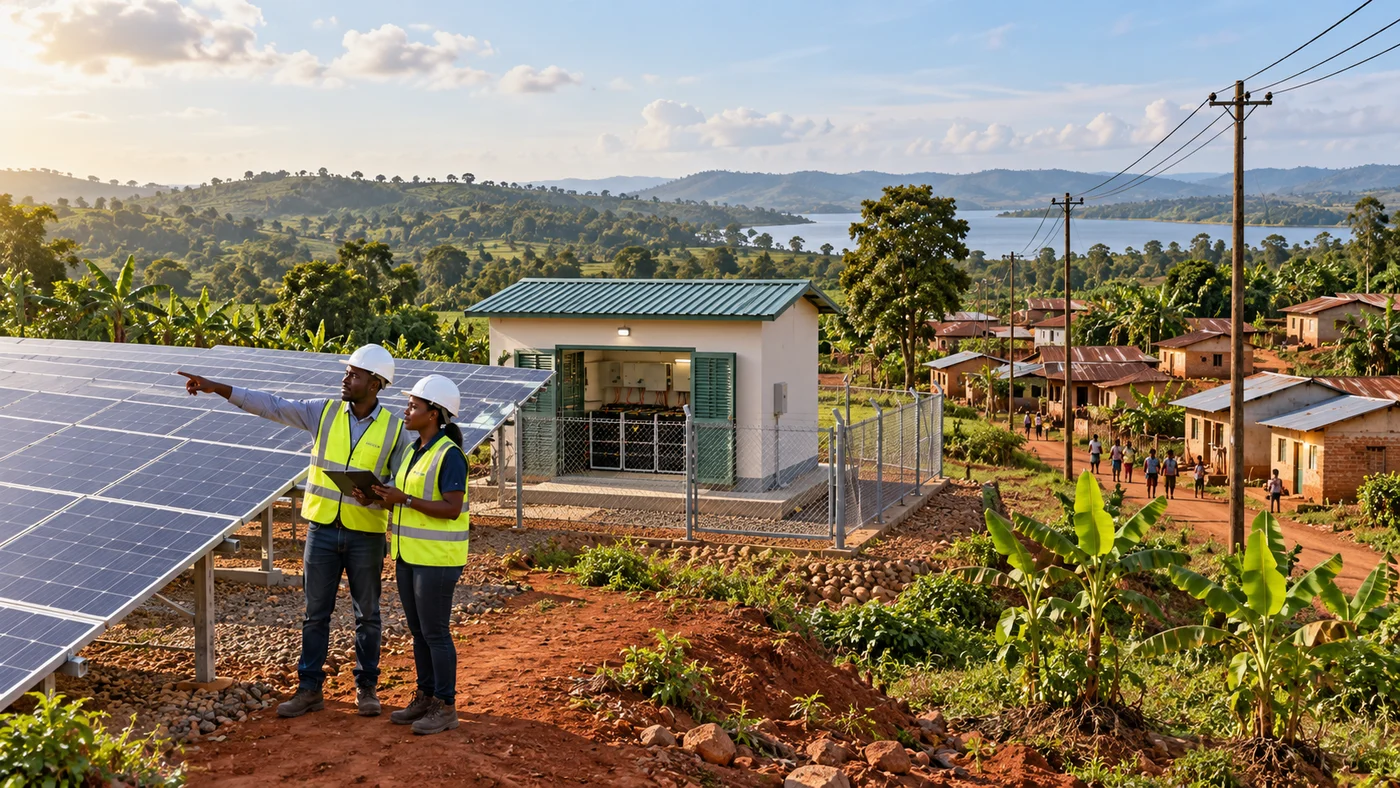
Energy & power
150 sites, 800 MW capacity
USD 800MInvestment listed in the sourceJoin this project ↗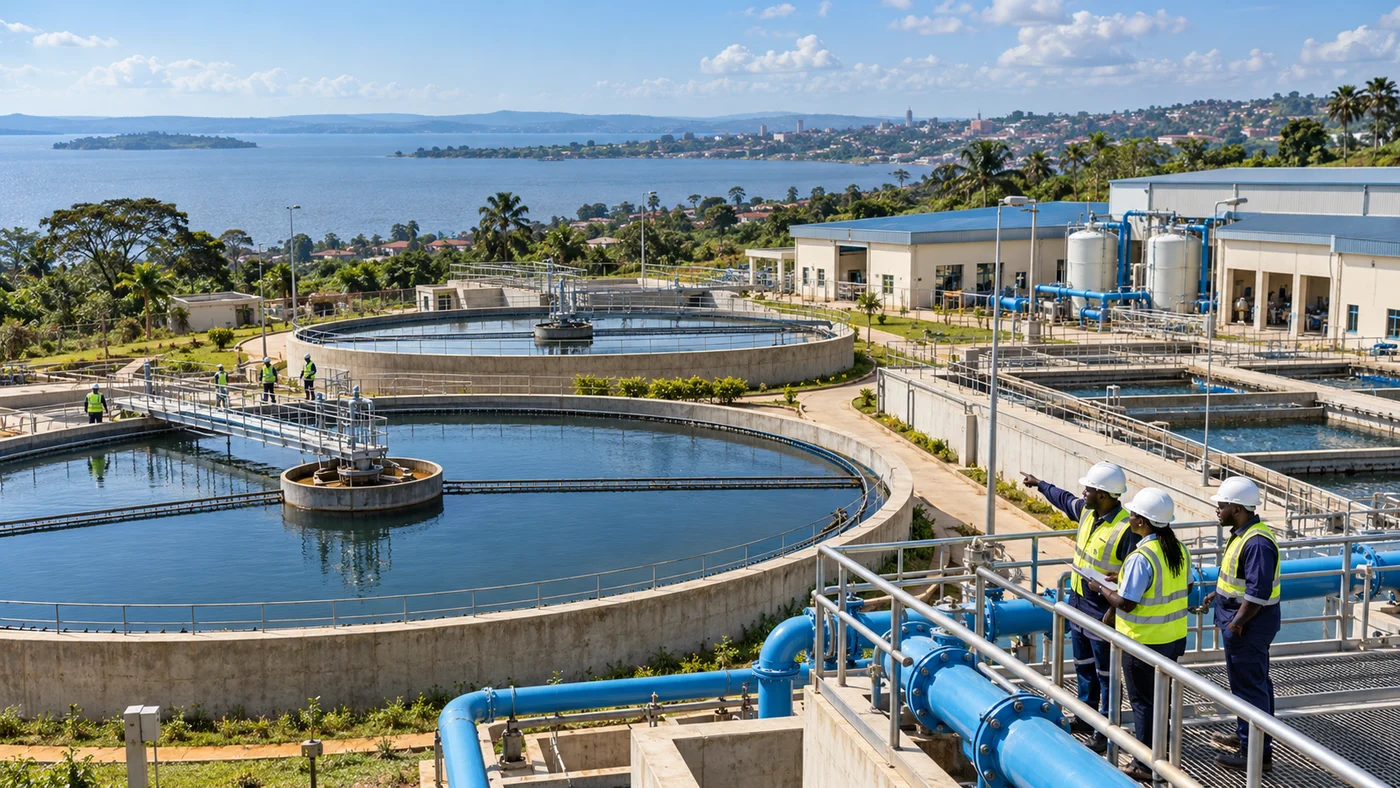
Water & sanitation
Kampala-Entebbe water supply upgrade
USD 600MInvestment listed in the sourceJoin this project ↗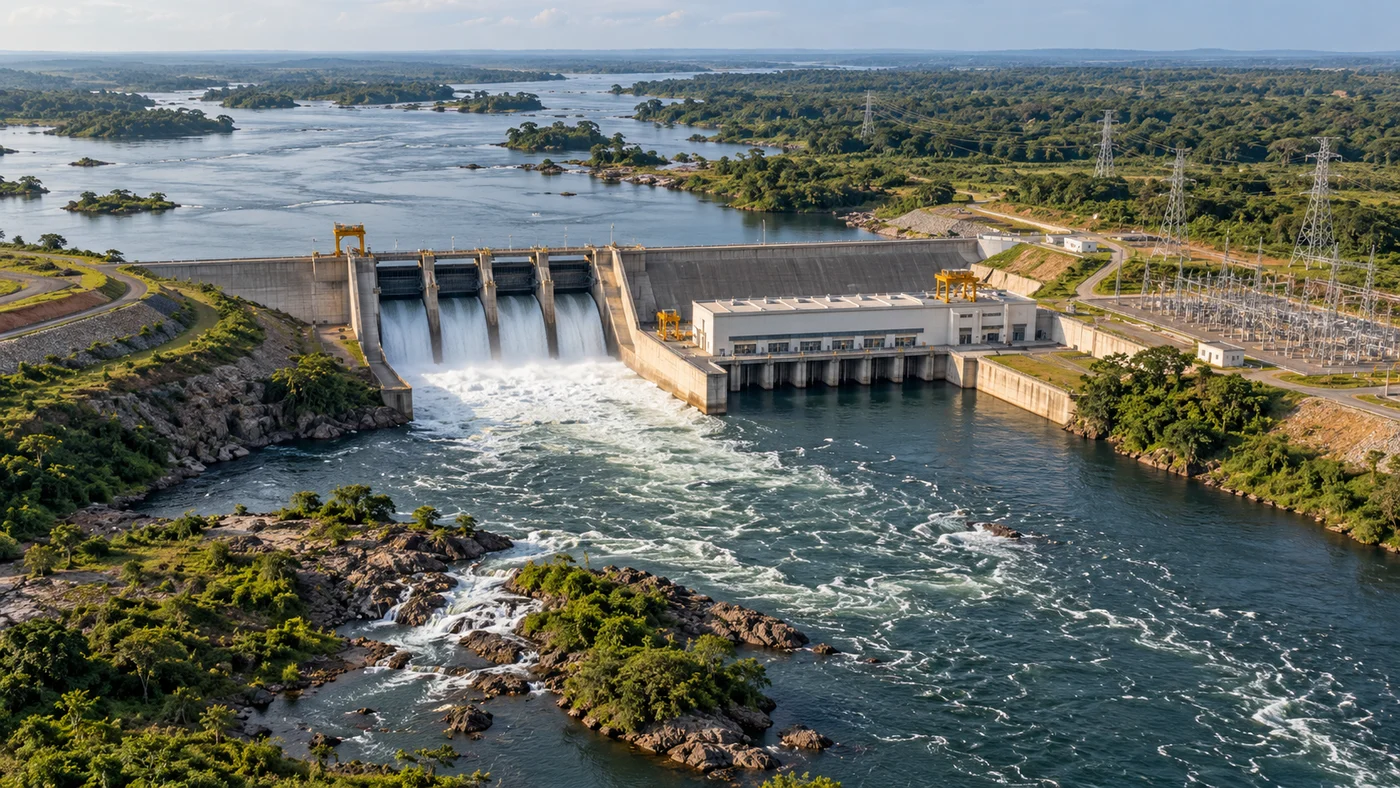
Energy & power
600 MW hydroelectric power plant
USD 1.7BInvestment listed in the sourceJoin this project ↗
Aviation infrastructure
New international airport in Hoima
USD 1.2BInvestment listed in the sourceJoin this project ↗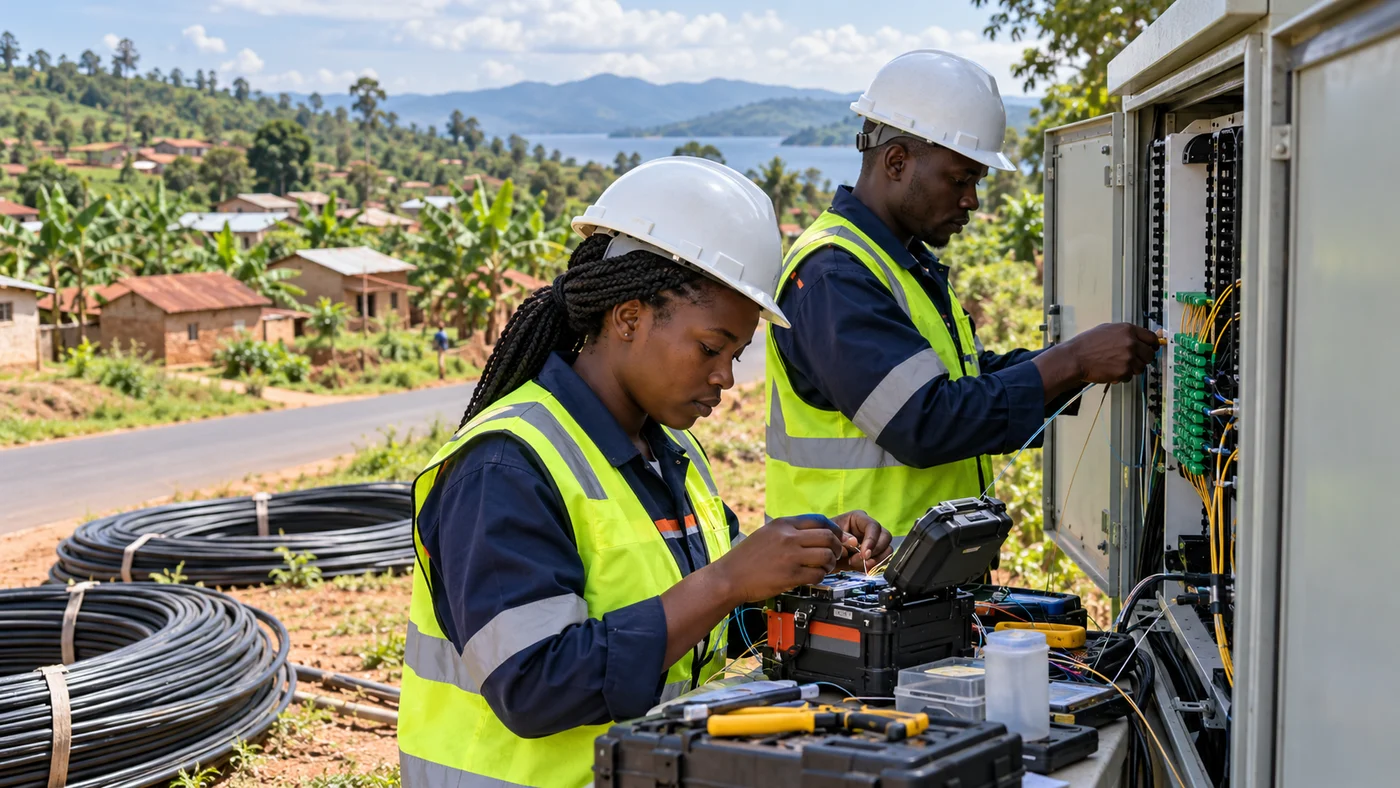
Digital infrastructure
Fiber optic to all 63 districts
USD 600MInvestment listed in the sourceJoin this project ↗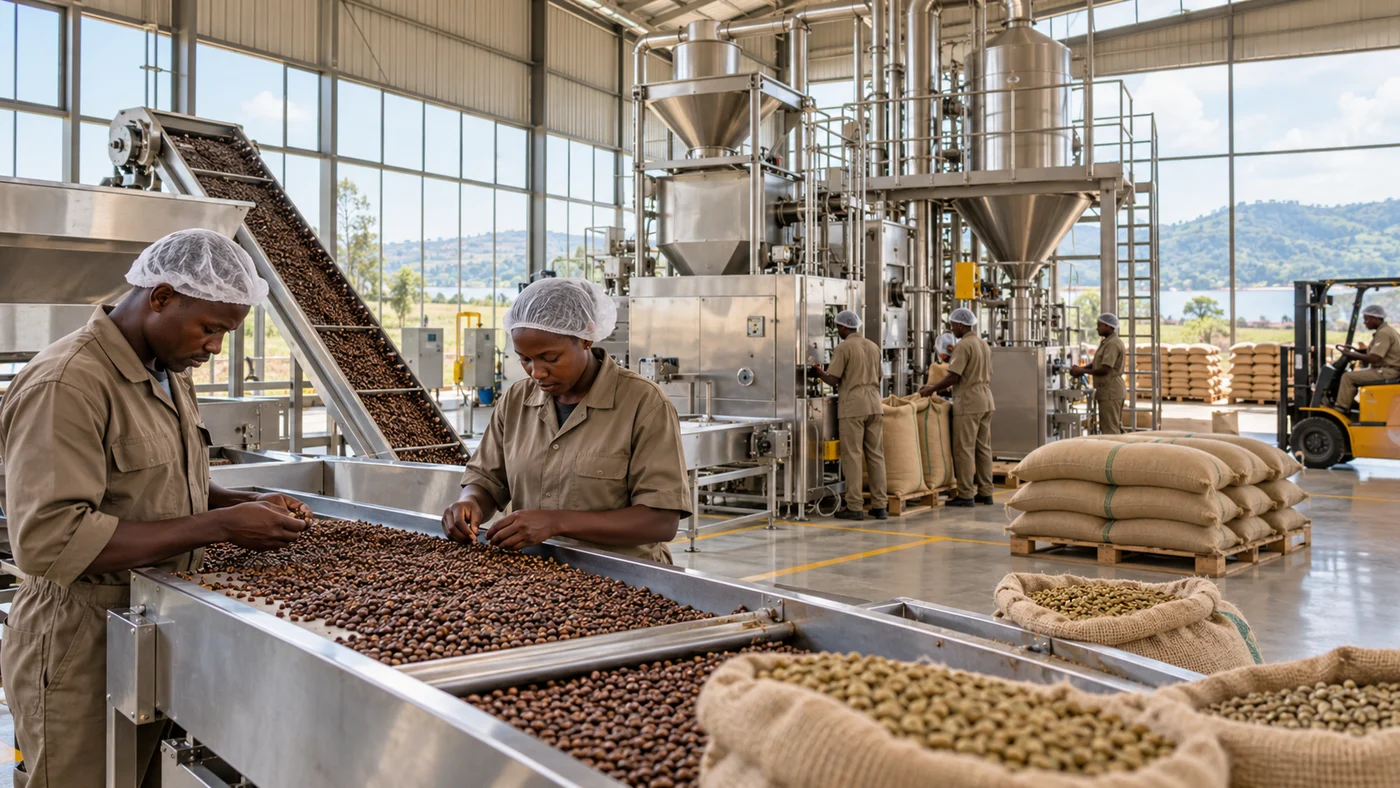
Agro-industry
Coffee & grain processing hub
USD 400MInvestment listed in the sourceJoin this project ↗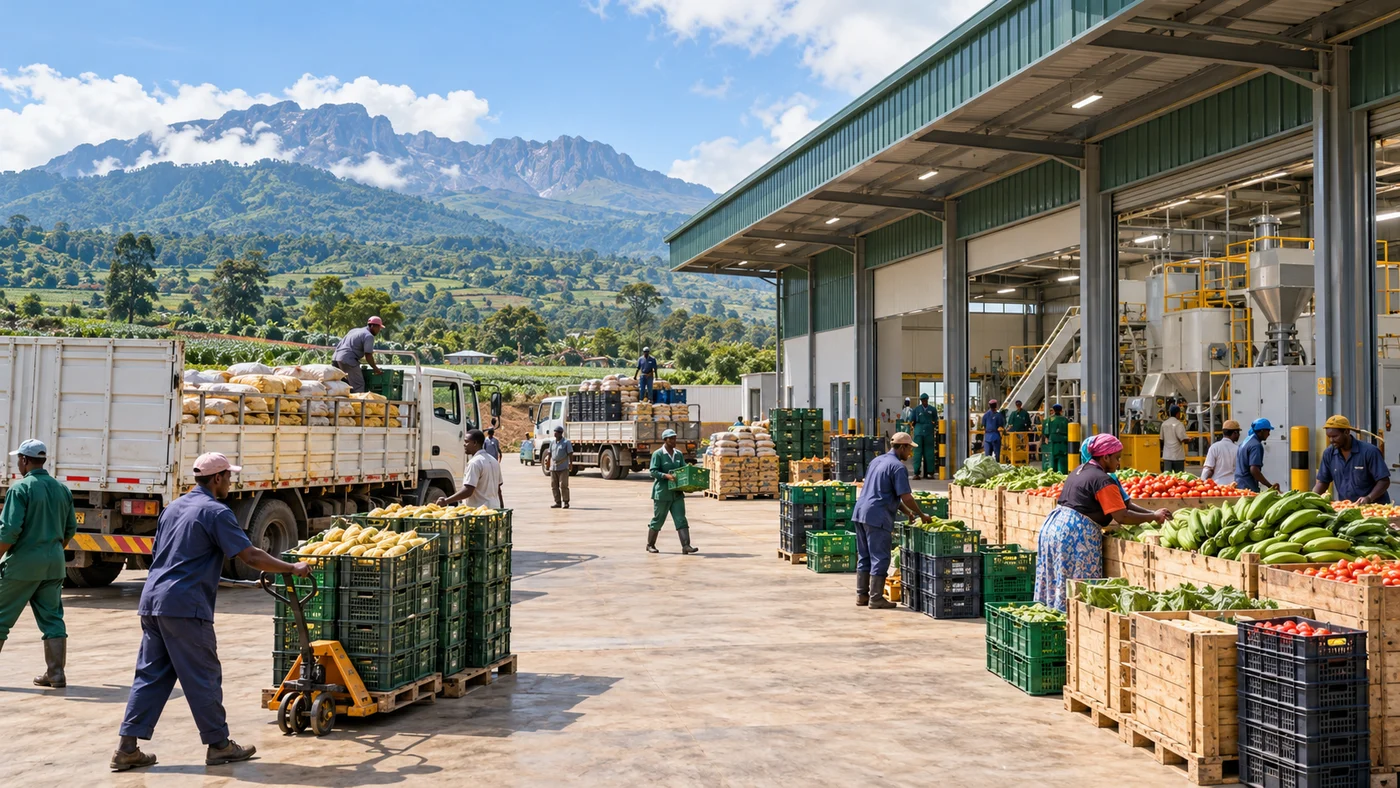
Agro-industry
Eastern region value addition center
USD 300MInvestment listed in the sourceJoin this project ↗
Agro-industry
Dairy & livestock processing
USD 300MInvestment listed in the sourceJoin this project ↗
Digital infrastructure
Tier III data center facility
USD 250MInvestment listed in the sourceJoin this project ↗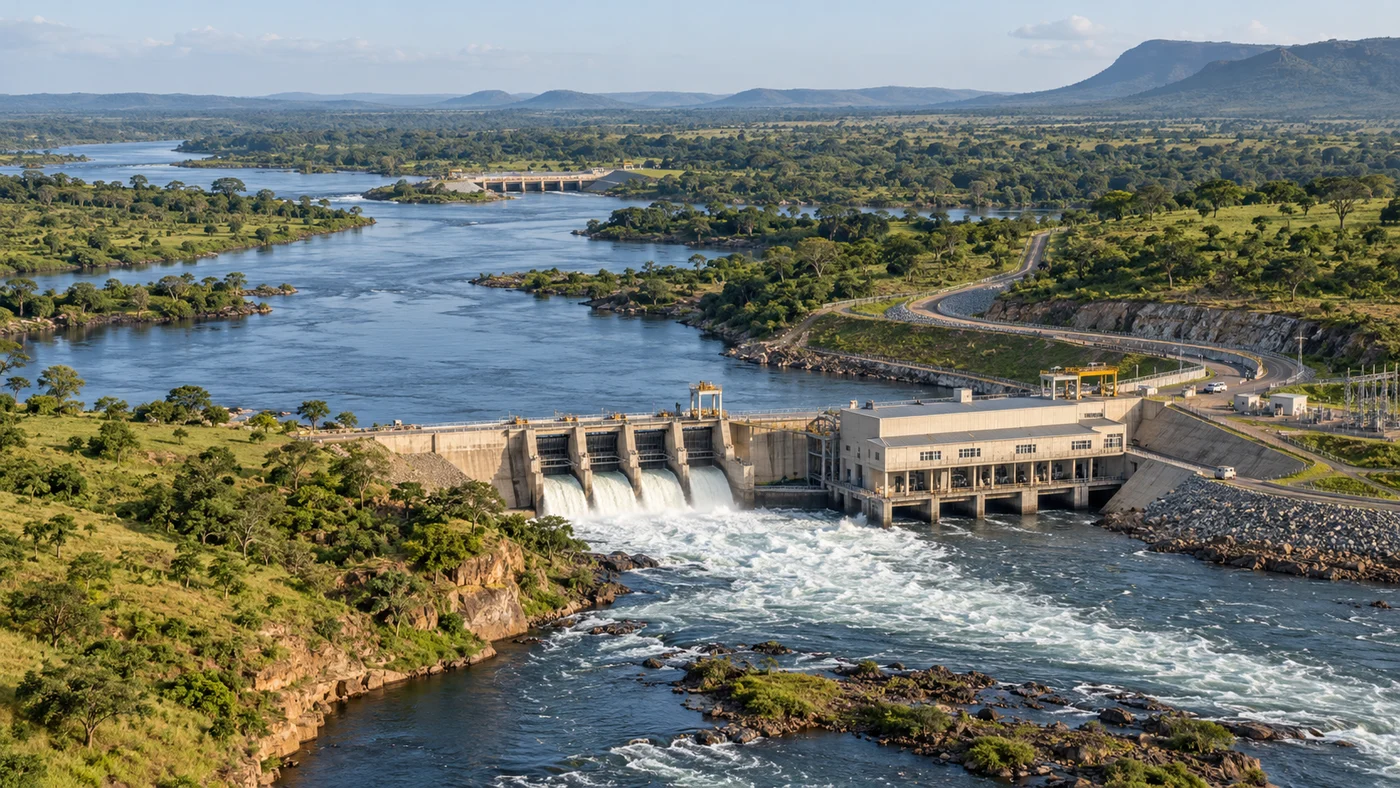
Energy & power
3,000 MW multi-stage development
USD 3.0BInvestment listed in the sourceJoin this project ↗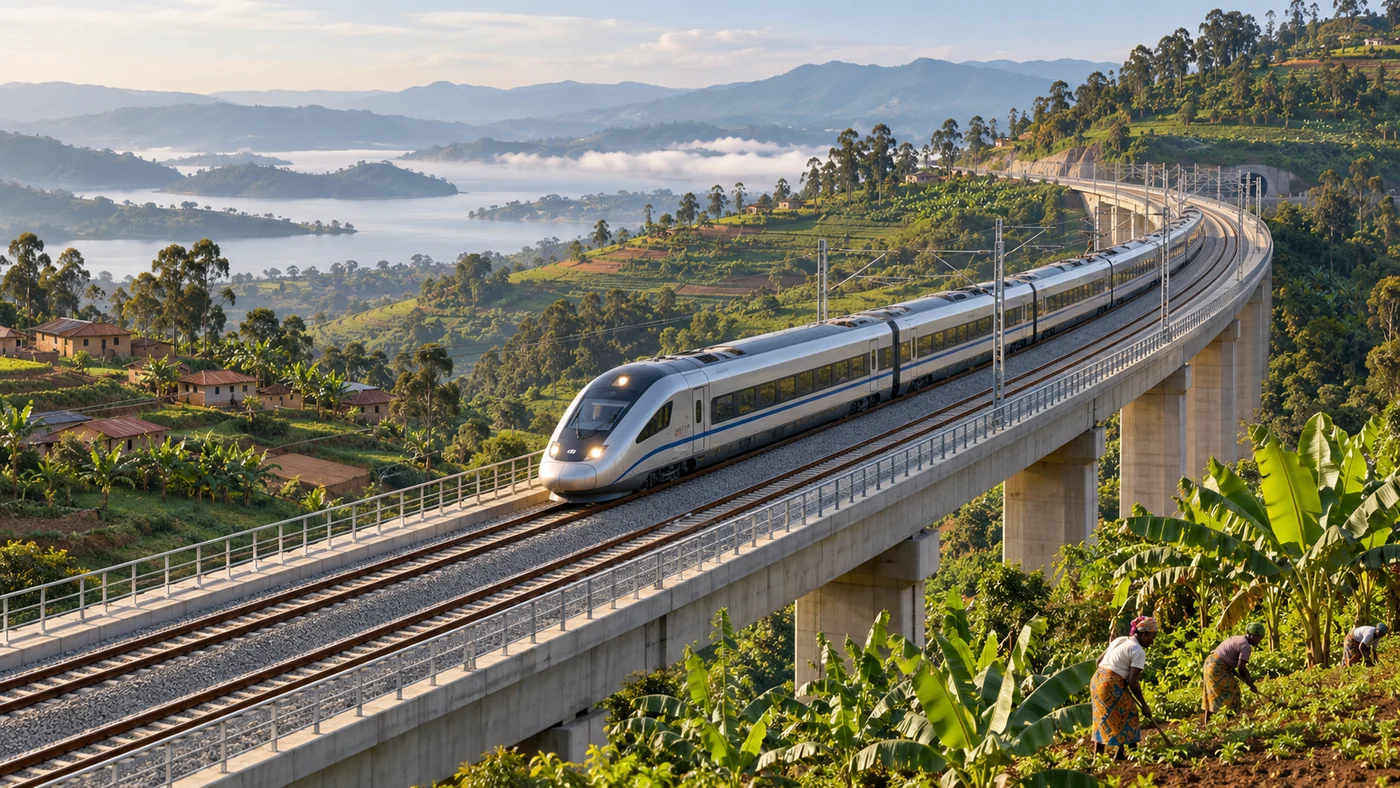
Transport & logistics
380km regional connectivity
USD 4.0BInvestment listed in the sourceJoin this project ↗
Digital infrastructure
IoT, AI & e-governance infrastructure
USD 2.0BInvestment listed in the sourceJoin this project ↗
Aviation infrastructure
Capacity increase to 8M passengers/year
USD 800MInvestment listed in the sourceJoin this project ↗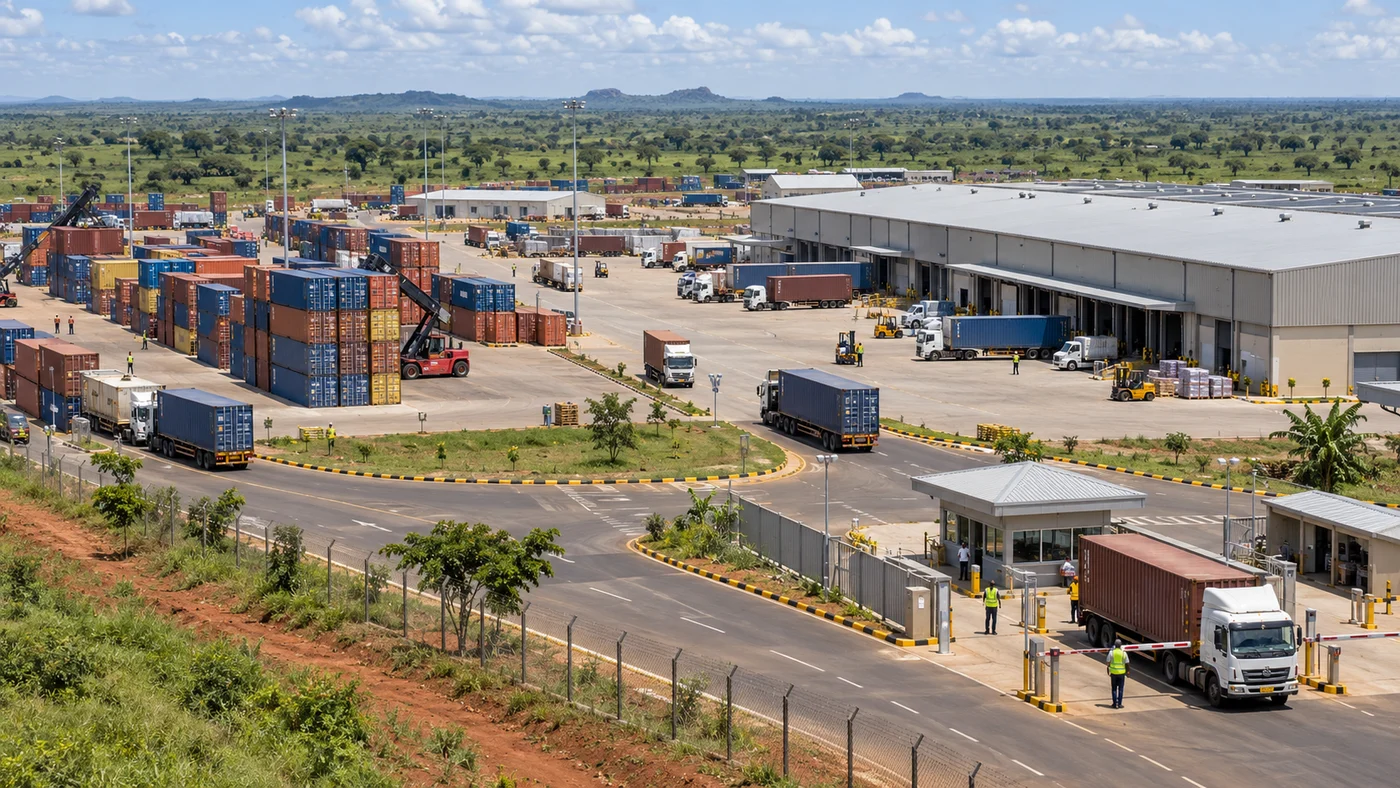
Regional development
Northern corridor logistics center
USD 500MInvestment listed in the sourceJoin this project ↗UGANDA · PLACES & POSSIBILITIES
Explore the regions named in the MasterPPPlan. Select a layer or place to learn more about a proposal.
Markers indicate towns or regional references, not confirmed project boundaries or exact facilities. Dashed connections are schematic. Nationwide mini-grids, broadband and smart-city programmes have no individual site coordinates in the source and are not pinned.
Only the selected basemap loads. Its provider receives your IP address and tile requests. OpenStreetMap ↗
THE 17 SUSTAINABLE DEVELOPMENT GOALS
People First PPPs connect infrastructure with inclusion, local opportunity and environmental responsibility. Select a goal to explore its relevance.
SDG 2
Connect water, energy and logistics with local food needs.
Read the United Nations goal ↗SDG 3
Develop access to reliable local healthcare.
Read the United Nations goal ↗SDG 4
Connect facilities, training and digital inclusion.
Read the United Nations goal ↗SDG 5
Include women in decisions, employment and benefits.
Read the United Nations goal ↗SDG 6
Prioritise water access, treatment and service quality.
Read the United Nations goal ↗SDG 7
Assess reliable and affordable energy solutions.
Read the United Nations goal ↗SDG 8
Support skills, decent jobs and local suppliers.
Read the United Nations goal ↗SDG 9
Develop infrastructure and local processing.
Read the United Nations goal ↗SDG 10
Assess accessibility for underserved groups.
Read the United Nations goal ↗SDG 11
Improve mobility, resilience and community facilities.
Read the United Nations goal ↗SDG 12
Support traceability and responsible resource use.
Read the United Nations goal ↗SDG 14
Reduce pollution affecting aquatic environments.
Read the United Nations goal ↗SDG 15
Integrate biodiversity, rehabilitation and soil protection.
Read the United Nations goal ↗SDG 16
Strengthen transparency, participation and accountability.
Read the United Nations goal ↗SDG 17
Connect public, private, finance and community actors.
Read the United Nations goal ↗SDG icons © United Nations. Icon artwork is in English; descriptions are available in English and Kiswahili. This publication has not been approved by the United Nations and does not reflect the views of the UN, its officials or Member States.
Consultation, governance, feasibility and preparation of priority projects.
Develop infrastructure and connect transport, energy, digital services and local production.
Strengthen service quality, resilience and lasting benefits for communities.
Indicative planning horizons aligned with the Uganda MasterPPPlan phases; these are not confirmed delivery milestones.
OUR PARTNER NETWORK
The general partner network presented by the DRC Alliance, brought together around People First development.
A Geneva-based not-for-profit empowering local communities to meet their basic needs and beyond. National coordinators, local champions and international experts develop impact projects grounded in ethics and sustainability.
The global ImPPPact network advances the SDGs through People First PPP infrastructure projects and regional alliances in Africa, Asia, Europe and Latin America. It connects the Uganda Alliance with a wider community of knowledge and cooperation.
Identify community needs, intended beneficiaries and the public service challenge.
Bring expertise together and explore feasibility, affordability and delivery options.
Support informed next steps before formal procurement by public authorities.
TAKE PART
Choose your profile to register an interest or propose a project.
Contact us: uganda@impppact.org
Registrations are stored securely for authorised Alliance administrators. A notification with a PDF copy is sent to uganda@impppact.org. Keep your reference on screen.
YOUR QUESTIONS, ANSWERED
Explore the Uganda Alliance, People First PPPs, membership and project support.
The ImPPPact Uganda Alliance is a national association focused on promoting sustainable development through People First Public-Private Partnerships (PPPs) in Uganda. Our mission is to "implement the SDGs through People First PPPs in Uganda." Our vision is "A Uganda where all people have access to basic needs like water, energy, education, and healthcare, and where the environment is sustainably protected."
We position ourselves as "An empowerment ecosystem for local people, local businesses, and governments to organize and finance themselves to achieve the SDGs through People First PPPs in Uganda." Our core principles are built around the "6 P": People • Planet • Prosperity • Public • Private • Partnership .
People First PPPs are public-private partnerships that prioritize social and environmental considerations alongside economic factors. They aim to address poverty and support vulnerable populations.
Our approach is based on the 10 UNECE People First PPP Principles :
Ugandan citizens benefit significantly from our People First PPP approach:
Higher service standards, modern and efficient infrastructure, and faster project implementation ensure citizens receive better quality services than traditional procurement methods.
Environmental protection standards, social minimum standards, and long-term perspectives ensure projects contribute to Uganda's sustainable future and Vision 2040 goals.
Public oversight mechanisms, measurable performance criteria, and regular reporting provide citizens with unprecedented visibility into public infrastructure projects.
Companies gain access to long-term, stable contracts, new markets, new partners, and innovative financing resources. This opens doors to previously inaccessible opportunities in the public sector and regional East African markets.
Clear contractual arrangements, partnerships with public entities, and fair risk distribution provide a secure business environment that traditional bidding processes cannot offer.
Contributing to sustainable development, demonstrating social responsibility, and building positive public perception significantly enhance corporate reputation and stakeholder confidence in Uganda and across East Africa.
Companies develop expertise in complex projects, build references in the public sector, and establish strategic partnerships that provide long-term competitive advantages in the Ugandan and regional markets.
Access to cutting-edge technologies, development of new solutions, and participation in pioneering infrastructure projects position companies as industry leaders in East Africa's growing economy.
Access to private expertise and know-how, innovative solution approaches, and lifecycle optimization deliver projects faster and more efficiently than traditional public procurement, supporting Uganda's National Development Plan III.
Clear responsibilities and professional project management improve overall public sector efficiency and accountability, aligning with Uganda's governance reforms.
Faster project delivery, increased public satisfaction, and measurable contributions to sustainable development create positive political outcomes for government officials and agencies.
Knowledge transfer from private partners, skill development programs, and exposure to international best practices strengthen public sector capabilities for future projects and regional leadership.
Stable, long-term cash flows with government participation as security provide institutional investors with predictable returns and lower risk profiles compared to traditional investments in emerging markets.
Transparent project structures, contractual safeguards, and public oversight mechanisms offer institutional investors comprehensive risk mitigation frameworks suitable for East African markets.
Projects meet sustainability criteria, social standards, and governance requirements, allowing institutional investors to fulfill their ESG mandates while generating competitive returns in one of Africa's fastest-growing economies.
Infrastructure investments offer low correlation with other asset classes, and long-term planning capabilities that enhance overall portfolio performance in African markets.
ImPPPact provides institutional investors with curated access to Ugandan and East African infrastructure opportunities that might otherwise be difficult to identify or evaluate, including cross-border regional projects.
We offer various membership levels tailored to different organizational needs:
All members receive access to our network, training programs, certification systems, and project support services, including regional East African partnerships.
ImPPPact supports a comprehensive range of infrastructure projects across 12 main categories, aligned with Uganda's National Development Plan III:
The project application process involves several comprehensive steps aligned with Ugandan procurement and development guidelines:
Our comprehensive service portfolio includes:
ImPPPact applies rigorous Environmental, Social, and Governance standards through 18 comprehensive criteria, aligned with Uganda's environmental and social standards:
Projects must have all necessary authorizations and licenses from relevant Ugandan authorities, engage relevant stakeholders with Free, Prior, and Informed Consent (FPIC), implement concrete resilience measures, maintain Environmental and Social Management Systems compliant with NEMA guidelines, and enforce anti-corruption policies aligned with Uganda's anti-corruption framework.
Projects must demonstrate public commitment to human rights, implement transparent gender equality and non-discrimination employment policies supporting Uganda's gender equality goals, maintain Occupational Health and Safety policies, ensure no forced or child labor in operations and supply chains, and support local skills transfer and capacity development programs.
Projects must conduct health and safety risk assessments, align GHG emissions with Uganda's national climate targets and NDCs, achieve carbon neutrality where possible, monitor and minimize biodiversity impacts particularly in sensitive ecosystems, assess and improve resource consumption over time, avoid impacts on Uganda's water resources and wetlands, and implement comprehensive waste management systems.
A "bankable project" in Uganda meets international financing standards through six critical criteria:
Demonstrated sector experience and financial soundness of the primary sponsor, with ability to withstand difficult implementation periods that commonly occur in infrastructure projects, particularly in East African markets.
Strategic partnership with Ugandan entities who understand local bureaucratic, political, and cultural landscapes, providing essential navigation capabilities for international sponsors and ensuring compliance with local content requirements.
Clear EPC contract arrangements that address construction responsibilities, delivery and risk, with consideration for local capacity building requirements.
International and national credit enhancement mechanisms including political risk insurance, commercial risk coverage, development finance institution support, and currency hedging arrangements, particularly critical for Uganda's emerging market status.
Guaranteed provision and security of land plots or concession rights by public or local private partners, compliant with Uganda's land laws and customary land rights, potentially through Special Purpose Vehicle (SPV) structures.
Comprehensive financial modeling covering all lifecycle risks including currency, regulatory, and market risks specific to Uganda, independently audited by international "Big 4" accounting firms to ensure credibility with international lenders and development finance institutions.